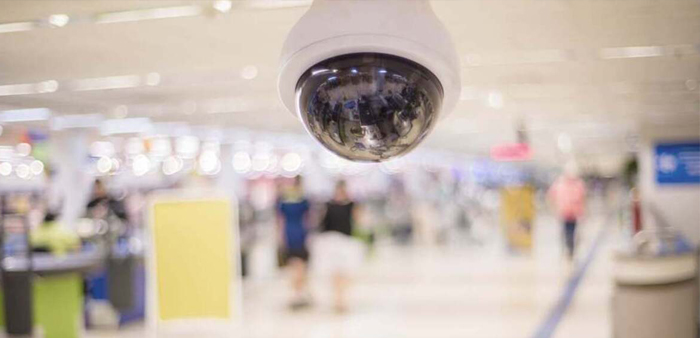
CCTV Camera Installation for Shopping Mall Security: Ensuring Safety and Smart Surveillance
 Posted on November 12, 2025
Shopping malls are not just centres for shopping they are social and recreational hubs where thousands of people gather daily. With such large crowds, multiple entry and exit points, and a variety of stores and facilities, ensuring safety becomes a top priority. This is where CCTV camera installation plays a crucial role. Advanced surveillance systems not only prevent theft and vandalism but also help mall authorities monitor operations, manage emergencies, and provide a secure shopping experience.
In this detailed guide, we’ll explore the importance of CCTV cameras in shopping mall security, their types, strategic placement, benefits, and key considerations before installation.
Importance of CCTV Cameras in Shopping Malls
Shopping malls are complex environments that require continuous monitoring. CCTV systems act as the eyes of the entire facility, providing real-time surveillance across multiple areas simultaneously. Here’s why they are essential:
Prevents Theft and Shoplifting: Retail theft is one of the biggest concerns for mall owners. CCTV cameras help monitor store entrances, exits, and aisles, discouraging shoplifters from committing crimes. The presence of cameras itself acts as a deterrent.
Enhances Public Safety: Large crowds can lead to accidents, conflicts, or emergencies. With strategically placed cameras, security staff can quickly detect disturbances, manage crowd flow, and respond to incidents before they escalate.
Monitors Employee Activities: CCTV systems also help track employee performance and prevent internal theft. It ensures that staff follow protocols, maintain professionalism, and provide better customer service.
Reduces Vandalism: Cameras installed in parking areas, restrooms, and public spaces discourage vandalism, graffiti, and property damage. In case of incidents, recorded footage provides solid evidence for investigation.
Aids in Emergency Management: In case of fire, accidents, or evacuation, live surveillance helps direct people safely and assists emergency teams in taking quick action.
Key Areas to Install CCTV Cameras in a Shopping Mall
To achieve complete security coverage, cameras must be installed at strategic locations. Below are the most important areas to focus on:
Entrances and Exits - All main and emergency entry/exit points should have high-resolution cameras to capture clear footage of everyone entering and leaving the premises.
Parking Lots - Parking areas are common places for vehicle thefts and accidents. CCTV cameras help monitor activities and ensure the safety of both vehicles and pedestrians.
Escalators and Elevators - These are high-traffic zones where incidents like theft or accidents can occur. Cameras here enhance both safety and accountability.
Corridors and Common Areas - Monitoring corridors ensures smooth crowd flow and allows quick detection of suspicious activities.
Food Courts - Since food courts attract large crowds, cameras help maintain order, detect altercations, and assist in managing queues and cleanliness.
Cash Counters and Billing Sections - These are sensitive areas prone to theft and disputes. CCTV cameras ensure transaction transparency and employee accountability.
Store Entrances - Individual retail stores benefit from dedicated surveillance to prevent shoplifting and monitor customer behavior.
Storage Rooms and Service Areas - Cameras in storage and loading areas prevent unauthorized access and safeguard inventory.
Types of CCTV Cameras Suitable for Shopping Malls
Choosing the right type of CCTV camera is essential for effective coverage. Below are the most recommended types for mall surveillance:
1. Dome Cameras
Ideal for indoor use, dome cameras offer wide coverage and are less noticeable. Their design makes it difficult to tell where the camera is pointing, deterring suspicious behaviour.
2. Bullet Cameras
Perfect for outdoor areas like parking lots and entrances. They are weatherproof and provide long-distance monitoring.
3. PTZ (Pan-Tilt-Zoom) Cameras
These cameras allow operators to move the lens in different directions and zoom in for details. PTZ cameras are excellent for monitoring large open spaces like atriums.
4. IP Cameras
Internet Protocol (IP) cameras provide high-definition video and can transmit footage over a network. They’re easy to integrate with advanced security systems and mobile monitoring apps.
5. 360-Degree Cameras
Used in large halls or central atriums, they provide complete panoramic views, reducing the number of cameras needed.
6. Infrared (IR) Cameras
These cameras provide clear footage in low light or complete darkness, making them ideal for night surveillance.
⚙️ Benefits of CCTV Camera Installation in Shopping Malls
The investment in CCTV systems offers long-term benefits that go beyond security.
a. Enhanced Customer Confidence
When visitors see visible security cameras, they feel safer and more comfortable spending time and money in the mall.
b. Real-Time Monitoring
Security teams can monitor multiple areas in real time from a central control room, ensuring quick responses to emergencies.
c. Evidence Collection
Recorded footage is valuable during investigations or disputes. It can be used as legal evidence in theft or vandalism cases.
d. Cost-Effective Security
CCTV cameras reduce the need for excessive manpower and provide continuous surveillance without fatigue.
e. Operational Insights
Beyond security, cameras can also help management understand crowd patterns, store popularity, and peak hours, assisting in better planning and promotions.
f. Integration with Smart Systems
Modern CCTV systems can integrate with alarms, access controls, and AI-based analytics to identify threats, recognize faces, and even track lost persons.
💡 Steps for Effective CCTV Camera Installation in Malls
Step 1: Site Assessment
Conduct a professional survey to identify security-sensitive zones and blind spots.
Step 2: Planning and Design
Create a detailed layout that defines the number of cameras, their positions, angles, and types required.
Step 3: Selecting Equipment
Choose reliable brands that offer high-quality footage, long lifespan, and easy integration with existing systems.
Step 4: Installation
Hire experienced technicians to ensure proper wiring, mounting, and calibration. Placement should ensure no area is overexposed or left unmonitored.
Step 5: Testing and Configuration
Once installed, test all cameras, angles, and recording quality. Adjust for lighting conditions and connectivity.
Step 6: Monitoring and Maintenance
Regularly check camera functionality, clean lenses, and ensure storage devices (like DVR/NVR) have sufficient capacity.
Challenges in Mall CCTV Installation
While CCTV systems are beneficial, certain challenges must be addressed:
Coverage Limitations: Blind spots may exist if cameras are not properly placed.
Data Storage: High-resolution footage requires large storage capacity.
Privacy Concerns: Cameras should not violate the privacy of employees or visitors.
Power and Network Issues: Backup power and stable internet connections are essential for continuous monitoring.
Cost: Initial setup can be expensive, but the long-term benefits outweigh the costs.
🔐 Smart Surveillance: The Future of Mall Security
Modern malls are adopting AI-powered CCTV systems that go beyond traditional recording. These systems use facial recognition, motion detection, and analytics to improve security operations.
- Facial Recognition: Helps identify known offenders or missing persons.
- Crowd Analytics: Detects overcrowding and alerts management.
- Automatic Number Plate Recognition (ANPR): Used for parking lot management.
- Behaviour Detection: AI can spot unusual activities like loitering or sudden movements.
The integration of such smart systems transforms traditional surveillance into proactive, intelligent security management.
🧘 Conclusion
CCTV camera installation is no longer optional for shopping malls—it’s a necessity. A well-planned and executed surveillance system ensures safety, enhances customer trust, and simplifies operations. From preventing theft to managing emergencies, CCTV cameras play a vital role in creating a secure shopping environment.
By investing in modern, AI-driven systems and maintaining them regularly, mall owners can ensure long-term peace of mind and smooth day-to-day functioning. Security is not just about prevention it’s about providing a safe, comfortable, and confident shopping experience for everyone.
Frequently Asked Questions (FAQs)
Why is CCTV important for shopping malls?
CCTV helps prevent theft, ensures public safety, monitors employees, and provides evidence during incidents making it essential for mall security.
How many cameras are needed for a shopping mall?
The number depends on the mall’s size and layout, but typically, medium-sized malls require between 100–300 cameras for full coverage.
What type of CCTV camera is best for malls?
A combination of dome, bullet, and PTZ cameras ensures comprehensive coverage for both indoor and outdoor areas.
Can CCTV footage be viewed remotely?
Yes. Modern IP cameras allow remote access via mobile apps or web portals, enabling real-time monitoring from anywhere.
How long is CCTV footage stored?
Footage is usually stored for 30 to 90 days, depending on the storage capacity and recording settings.
What is the cost of CCTV installation in a shopping mall?
The cost varies based on camera type, quantity, and technology used. On average, installation may range from ₹5 lakhs to ₹50 lakhs for large malls.
How often should CCTV systems be maintained?
It’s recommended to perform maintenance every 3 - 6 months to ensure all cameras, storage devices, and connections are working properly.

Home | Recent Posts
- How to Choose the Right CCTV Camera installation for Your Property?
- 10 Reasons Why CCTV Camera Installation is Essential for Your Business
- Cctv Camera Installation Service for Delivery Centers
- Benefits of CCTV camera installation in School
- Importance of CCTV Cameras in Real Estate
- How do You Protect Your Home or Property?
- 5 Best Security CCTV Camera Installation Tips
- Top 10 Best CCTV Camera Brands in India 2020
- Do You Realize why CCTV Camera is so Important?
- Saving Money On cctv Camera Installation With DIY
- Importance of CCTV Cameras in Schools
