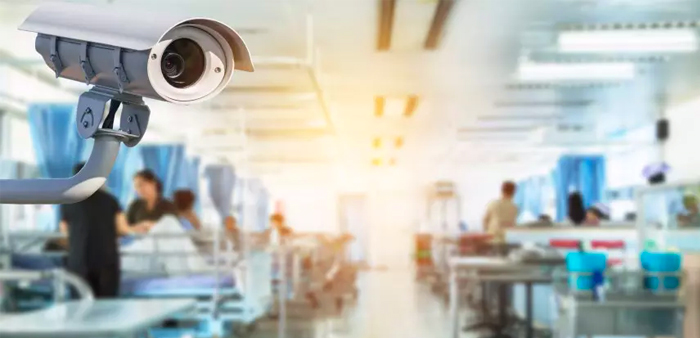
CCTV Cameras in Healthcare: Ensuring Security, Compliance & Care
 Posted on June 15, 2026
Healthcare facilities are built on trust, safety, and precision. From hospitals and clinics to diagnostic labs and elderly care homes, every environment must protect patients, staff, sensitive data, and critical assets. In today’s fast-evolving landscape, CCTV cameras in healthcare are no longer optional - they are essential tools for ensuring security, maintaining compliance, and improving the overall quality of care.
With increasing concerns around patient safety, theft prevention, malpractice claims, and regulatory requirements, investing in CCTV camera installation has become a strategic necessity. Whether you're searching for cctv camera delhi, cctv camera installation delhi, or reliable cctv camera services, this guide will walk you through everything you need to know.
Why CCTV Cameras Are Crucial in Healthcare Facilities
Healthcare environments are complex. They operate 24/7, handle emergencies, and manage high foot traffic. CCTV surveillance helps maintain order and accountability in such dynamic spaces.
1. Enhancing Patient Safety
Patients-especially elderly, children, or those in critical condition—require constant monitoring. CCTV cameras provide an additional layer of supervision, helping staff respond quickly to emergencies like falls, seizures, or unusual behavior.
2. Preventing Theft and Unauthorized Access
Hospitals store expensive medical equipment, medicines, and confidential records. CCTV systems deter theft and unauthorized access to restricted areas such as pharmacies, ICUs, and labs.
3. Monitoring Staff Performance
Surveillance helps ensure that healthcare professionals adhere to protocols and maintain high standards of care. It also promotes accountability and transparency in operations.
4. Managing Emergency Situations
In emergencies, real-time CCTV footage enables faster decision-making and coordination. Security teams can monitor crowd control, identify threats, and guide emergency responses effectively.
Role of CCTV in Regulatory Compliance
Healthcare institutions must comply with strict regulations regarding safety, hygiene, and patient privacy. CCTV cameras support compliance in multiple ways:
Documentation and Evidence
Recorded footage can serve as legal evidence in case of disputes, malpractice claims, or incidents within the facility.
Infection Control Monitoring
Cameras can help ensure that hygiene protocols-like hand sanitization and PPE usage-are followed consistently.
Audit and Inspection Support
Regulatory bodies often require proof of compliance. CCTV recordings provide verifiable data during audits and inspections.
Key Areas Where CCTV Cameras Should Be Installed
Strategic placement is critical for maximizing the benefits of CCTV surveillance.
Entrances and Exits
Monitor all entry and exit points to track movement and prevent unauthorized access.
Reception and Waiting Areas
Ensure patient flow is smooth and disputes are minimized.
Corridors and Hallways
Track movement across departments and identify suspicious behavior.
Pharmacies and Storage Rooms
Protect high-value inventory and prevent misuse or theft.
Parking Areas
Ensure safety of vehicles and monitor external activity.
Intensive Care Units (ICUs) (with strict privacy controls)
Monitor critical patients while respecting privacy regulations.
Types of CCTV Cameras Suitable for Healthcare
Choosing the right camera type is essential for effective surveillance.
Dome Cameras
Ideal for indoor use, these cameras are discreet and provide wide-angle coverage.
Bullet Cameras
Best suited for outdoor surveillance with long-range visibility.
PTZ (Pan-Tilt-Zoom) Cameras
Offer flexible monitoring with remote control capabilities.
IP Cameras
Provide high-resolution footage and can be accessed remotely via internet.
Thermal Cameras
Useful for detecting temperature variations—especially relevant in infection control.
Benefits of CCTV Camera Installation in Delhi Healthcare Sector
The demand for cctv camera installation delhi is rapidly increasing due to urban healthcare expansion and rising security concerns.
Urban Security Challenges
Delhi’s high population density makes healthcare facilities vulnerable to theft and overcrowding. CCTV systems help manage these challenges efficiently.
Compliance with Local Regulations
Healthcare providers in Delhi must adhere to safety norms. CCTV systems assist in meeting these requirements.
Remote Monitoring
With advanced cctv camera services, administrators can monitor multiple branches or departments remotely.
Cost-Effective Security Solution
Compared to manual security, CCTV offers a scalable and cost-efficient alternative.
Best Practices for CCTV Camera Installation
To get the most out of your investment, follow these best practices:
Conduct a Security Audit
Identify vulnerable areas and determine surveillance needs before installation.
Ensure Proper Coverage
Avoid blind spots by strategically placing cameras.
Use High-Resolution Cameras
Clear footage is crucial for identification and evidence.
Integrate with Access Control Systems
Combine CCTV with biometric or card-based systems for enhanced security.
Regular Maintenance
Choose reliable cctv camera services for routine checks and upgrades.
Privacy and Ethical Considerations
While CCTV enhances security, healthcare facilities must balance surveillance with patient privacy.
Avoid Sensitive Areas
Do not install cameras in washrooms or private consultation rooms.
Inform Patients and Staff
Display clear signage indicating surveillance.
Secure Data Storage
Ensure footage is encrypted and accessible only to authorized personnel.
Follow Legal Guidelines
Adhere to data protection laws and healthcare regulations.
How to Choose the Right CCTV Camera Services
Selecting a trusted provider is key to successful implementation.
Look for:
- Experience in healthcare installations
- Customizable solutions
- After-sales support
- Compliance knowledge
- Competitive pricing
If you're searching for cctv camera delhi, prioritize vendors who understand the unique needs of hospitals and clinics.
Future Trends in Healthcare Surveillance
Technology is evolving rapidly, and CCTV systems are becoming smarter.
AI-Powered Analytics
Detect unusual behavior, crowding, or unattended objects automatically.
Facial Recognition
Enhance security by identifying authorized personnel.
Cloud-Based Storage
Access footage anytime, anywhere without physical storage limitations.
Integration with IoT Devices
Connect CCTV with alarms, sensors, and hospital management systems.
Conclusion:
CCTV cameras have become indispensable in modern healthcare. They not only enhance security but also support compliance, improve operational efficiency, and contribute to better patient care. Whether you're managing a large hospital or a small clinic, investing in cctv camera installation is a proactive step toward safety and accountability.
For healthcare providers in Delhi, choosing the right cctv camera installation delhi service ensures that your facility is equipped with reliable, scalable, and compliant surveillance solutions. With professional cctv camera services, you can create a safer environment for patients, staff, and visitors alike.
Frequently Asked Questions (FAQ)
Why are CCTV cameras important in hospitals?
CCTV cameras help monitor patient safety, prevent theft, and ensure staff accountability, making healthcare environments more secure.
Is CCTV installation legal in healthcare facilities?
Yes, but it must comply with privacy laws. Cameras should not be installed in sensitive areas like washrooms or private consultation rooms.
What is the cost of CCTV camera installation in Delhi?
The cost varies depending on the number of cameras, type, and features. Basic setups can start from a few thousand rupees, while advanced systems cost more.
Can CCTV cameras be monitored remotely?
Yes, modern IP cameras allow remote access via mobile apps or computers.
How long is CCTV footage stored?
Storage duration depends on system capacity and legal requirements, typically ranging from 7 to 90 days.
What are the best CCTV cameras for hospitals?
IP cameras, dome cameras, and PTZ cameras are commonly used due to their flexibility and high-quality footage.
Do CCTV cameras help in legal cases?
Yes, recorded footage can serve as crucial evidence in disputes, malpractice claims, or investigations.

Home | Recent Posts
- Troubleshooting Common CCTV Camera Issues: How a Professional Repair Service Can Help
- Surveillance and Security Devices in Delhi, Gurgaon, and Noida
- How to Choose the Right CCTV Camera installation for Your Property?
- 10 Reasons Why CCTV Camera Installation is Essential for Your Business
- Cctv Camera Installation Service for Delivery Centers
- Benefits of CCTV camera installation in School
- Importance of CCTV Cameras in Real Estate
- How do You Protect Your Home or Property?
- 5 Best Security CCTV Camera Installation Tips
- Top 10 Best CCTV Camera Brands in India 2020
- Do You Realize why CCTV Camera is so Important?
- Saving Money On cctv Camera Installation With DIY
- Importance of CCTV Cameras in Schools
