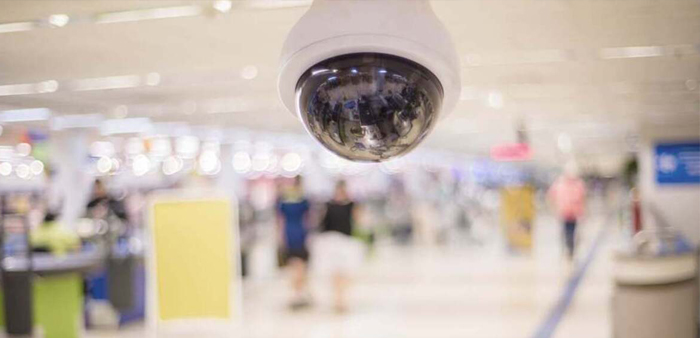
From Apartments to Commercial Spaces: CCTV Camera Benefits in Real Estate
 Posted on October 29, 2025
In today’s fast-paced and security-conscious world, CCTV (Closed-Circuit Television) cameras have become one of the most vital tools for ensuring safety and surveillance across various sectors. Among these, real estate-ranging from residential apartments to bustling commercial complexes—stands out as a domain where CCTV has transformed both property management and tenant experience.
Whether you are a real estate developer, a property manager, or a resident, understanding the value and benefits of CCTV cameras in real estate is crucial. In this blog, we’ll explore why CCTV has become a non-negotiable investment in modern real estate, how it benefits both apartments and commercial spaces, and why it continues to redefine the standards of safety.
Why CCTV Matters in Real Estate
The real estate industry thrives on trust, safety, and long-term value. Potential buyers or tenants don’t just look for aesthetics, location, or amenities they also want assurance of safety. A property with a strong security setup automatically becomes more attractive and valuable.
CCTV cameras act as the eyes of the property, monitoring activities 24/7, deterring crimes, and creating a sense of accountability. For developers and landlords, installing CCTV also adds a competitive edge, making the property more marketable.
Benefits of CCTV Cameras in Apartments
1. Enhanced Resident Safety
The biggest reason residents choose apartments with CCTV surveillance is safety. Cameras installed in entrances, parking lots, and common areas ensure that residents feel protected against theft, vandalism, and unwanted visitors.
2. Controlled Access & Visitor Monitoring
CCTV enables real-time monitoring of visitors entering and leaving the premises. Combined with visitor management systems, it prevents unauthorized entry and strengthens access control.
3. Crime Deterrence
The presence of cameras itself acts as a powerful deterrent. Criminals are less likely to target properties under constant surveillance.
4. Parking Lot Security
Vehicle theft and vandalism are common issues in residential complexes. CCTV provides clear footage in parking areas, ensuring better monitoring and swift action in case of incidents.
5. Improved Emergency Response
In case of accidents, break-ins, or fire incidents, CCTV footage helps emergency responders act quickly and supports investigations.
6. Conflict Resolution Among Residents
Disputes between residents whether over parking, maintenance, or community rules can often escalate. CCTV recordings act as neutral evidence to resolve conflicts fairly.
Benefits of CCTV Cameras in Commercial Real Estate
Commercial properties—such as office complexes, shopping malls, and business centres deal with higher foot traffic and therefore face unique security challenges. CCTV provides comprehensive surveillance solutions tailored for such spaces.
Asset Protection
Businesses often store valuable assets, cash, or sensitive documents. CCTV ensures constant monitoring to prevent theft, internal fraud, or unauthorized access.
Customer and Employee Safety
In malls, showrooms, and offices, CCTV helps protect both employees and customers. A safe environment encourages customer trust and employee productivity.
Monitoring High-Traffic Zones
Commercial spaces like retail outlets or lobbies witness heavy daily traffic. CCTV cameras track activities, identify suspicious behaviour, and help in crowd management.
Reducing Liability Risks
In cases of workplace accidents, harassment claims, or property damage, CCTV recordings provide crucial evidence that protects businesses from false claims and legal troubles.
Operational Insights
Beyond security, CCTV can be used to analyse customer behaviour in malls or track employee productivity in offices. This helps businesses optimize layouts, improve service, and enhance efficiency.
Compliance with Security Standards
For many industries, regulatory bodies mandate security surveillance. CCTV ensures compliance and reduces the risk of penalties.
Apartments vs. Commercial Spaces: Key CCTV Benefits Comparison
Primary Purpose
Apartments - Resident safety, community monitoring
Commercial Spaces - Asset protection, employee & customer safety
Key Areas Covered
Apartments - Entrances, lobbies, parking, corridors
Commercial Spaces - Lobbies, retail floors, offices, storage rooms
Additional Benefits
Apartments - Resolves disputes, improves resident trust
Commercial Spaces - Operational insights, compliance, reduced liability
Crime Deterrence Level
Apartments - Moderate (local threats)
Commercial Spaces - High (organized theft, fraud, data security)
The Role of CCTV in Property Value and Marketability
For real estate developers and landlords, installing CCTV doesn’t just enhance safety - it increases property value. Here’s how:
Higher Demand: Modern buyers and tenants actively seek properties with robust security features.
Increased Rental Income: Secure properties can command higher rents due to added amenities.
Long-Term Trust: CCTV fosters trust, leading to higher occupancy rates and lower tenant turnover.
Brand Reputation: Developers who prioritize safety gain a positive reputation in the market.
Latest CCTV Technologies Revolutionizing Real Estate
Today’s CCTV cameras go beyond just recording footage. With AI-powered smart surveillance, real estate is experiencing a new level of security.
AI & Analytics: Detect suspicious activity automatically.
Remote Monitoring: Property managers can view footage from anywhere via mobile apps.
Cloud Storage: Eliminates risks of footage loss due to hardware damage.
Integration with IoT: Smart locks, alarms, and CCTV can work together for holistic security.
Facial Recognition: Helps identify individuals quickly in commercial environments.
These advancements make CCTV a future-proof investment for both residential and commercial properties.
Challenges and Considerations
While CCTV offers immense benefits, property owners must also consider:
Privacy Concerns: Balancing safety with residents’ privacy.
Maintenance Costs: Regular checks and software updates are essential.
Legal Compliance: Adhering to local surveillance and data protection laws.
Integration Needs: Ensuring CCTV works seamlessly with access control and alarm systems.
Conclusion
From apartment complexes that safeguard families to commercial spaces that protect businesses and employees, CCTV cameras have become indispensable in real estate. Beyond just preventing crime, they add value, trust, and long-term marketability to properties.
As technology evolves, CCTV is no longer just about surveillance it’s about intelligent property management. For real estate developers, landlords, and residents alike, investing in CCTV isn’t an expense it’s a long-term asset for safety, reputation, and growth.
FAQ
Are CCTV cameras mandatory in residential or commercial real estate?
Not always mandatory, but many local laws and housing societies strongly recommend them. In commercial setups, CCTV is often required by insurance and compliance regulations.
Do CCTV cameras really prevent crimes?
Yes. While they may not stop a crime entirely, their presence significantly reduces the chances of theft, vandalism, and trespassing.
Can CCTV footage be used in legal cases?
Absolutely. CCTV footage is often considered valid evidence in police investigations and court proceedings.
How much does installing CCTV in a property cost?
Costs vary depending on the property size, number of cameras, and technology (basic vs. AI-enabled). However, the long-term benefits outweigh the investment.
Can residents or businesses access live CCTV footage?
Yes, modern CCTV systems offer remote access via smartphones or desktops, allowing residents, managers, or business owners to monitor in real time.
What is the future of CCTV in real estate?
The future lies in AI-driven analytics, facial recognition, and smart integration with IoT systems, making surveillance smarter and more proactive.

Home | Recent Posts
- How to Choose the Right CCTV Camera installation for Your Property?
- 10 Reasons Why CCTV Camera Installation is Essential for Your Business
- Cctv Camera Installation Service for Delivery Centers
- Benefits of CCTV camera installation in School
- Importance of CCTV Cameras in Real Estate
- How do You Protect Your Home or Property?
- 5 Best Security CCTV Camera Installation Tips
- Top 10 Best CCTV Camera Brands in India 2020
- Do You Realize why CCTV Camera is so Important?
- Saving Money On cctv Camera Installation With DIY
- Importance of CCTV Cameras in Schools
