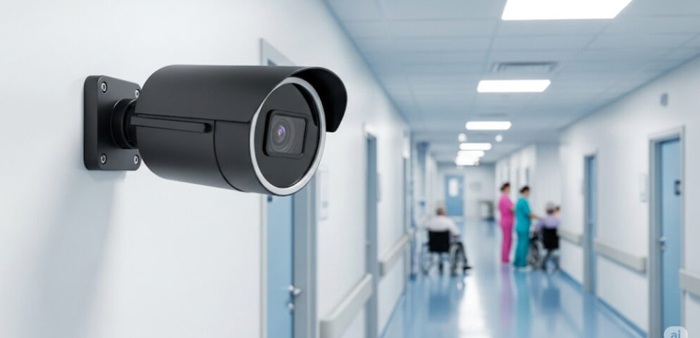
Securing Healthcare: The Importance of CCTV Camera Installation in Hospitals
 Posted on September 22, 2025
Hospitals are critical institutions where patient safety, staff security, and asset protection are top priorities. With increasing incidents of theft, violence, and malpractice, healthcare facilities must adopt advanced security measures. Closed-Circuit Television (CCTV) cameras play a vital role in enhancing security, monitoring activities, and ensuring compliance with healthcare regulations.
This blog explores the importance of CCTV camera installation in hospitals, their benefits, key areas for installation, and best practices for implementation.
Why Hospitals Need CCTV Surveillance
1. Enhancing Patient Safety
Patients, especially those in critical conditions, require constant monitoring. CCTV cameras help:
- Detect unauthorized access to restricted areas (e.g., ICUs, neonatal units).
- Prevent infant abduction in maternity wards.
- Monitor high-risk patients to prevent self-harm or wandering.
2. Preventing Theft and Vandalism
Hospitals house expensive medical equipment, drugs, and supplies. CCTV surveillance:
- Deters theft of medicines (especially narcotics).
- Reduces vandalism and property damage.
- Helps track stolen items through recorded footage..
3. Ensuring Staff Safety
Healthcare workers face risks such as:
- Violence from aggressive patients or visitors.
- Workplace harassment and abuse.
- Unauthorized access to staff-only zones.
CCTV cameras help in:
- Identifying and prosecuting offenders.
- Providing evidence in case of disputes.
- Creating a safer work environment.
4. Monitoring Medical Procedures
Surveillance in operation theatres and treatment rooms ensures:
- Compliance with medical protocols.
- Prevention of malpractice or negligence.
- Training and review of surgical procedures.
5. Compliance with Legal and Regulatory Standards
Many healthcare regulations (e.g., HIPAA, Joint Commission) require hospitals to maintain security standards. CCTV helps in:
- Maintaining audit trails.
- Protecting patient privacy (when used ethically).
- • Providing evidence in legal cases.
Key Areas for CCTV Installation in Hospitals
Not all hospital areas require the same level of surveillance. Key zones include:
1. Entry and Exit Points
Main gates, emergency exits, and parking lots to monitor unauthorized access.
2. Emergency Rooms (ER) & ICUs
High-traffic zones prone to conflicts and emergencies.
3. Pharmacy & Drug Storage Areas
Prevents theft of controlled substances.
4. Maternity & Neonatal Wards
Protects newborns from abduction.
5. Corridors & Waiting Areas
Monitors patient and visitor movements.
6. Operation Theatres & Labs
Ensures adherence to medical procedures.
7. Staff Rooms & Admin Offices
Protects sensitive documents and staff privacy.
Best Practices for CCTV Installation in Hospitals
Choose High-Quality Cameras
- HD & Night Vision: For clear footage in low light.
- Wide-Angle Lenses: To cover large areas.
- Audio Recording (where legal): For additional evidence.
Ensure Proper Placement
- Avoid blind spots in critical areas.
- Follow privacy laws (e.g., avoid filming inside patient rooms without consent).
Implement Secure Data Storage
- Use encrypted cloud storage or secure servers.
- Limit access to authorized personnel only.
Regular Maintenance & Updates
- Test cameras frequently.
- Update software to prevent hacking.
Comply with Privacy Laws
- Inform staff and patients about surveillance.
- Follow HIPAA and GDPR guidelines.
Conclusion
CCTV cameras are indispensable in modern hospitals for ensuring safety, preventing crime, and maintaining regulatory compliance. By strategically installing surveillance systems, healthcare facilities can protect patients, staff, and assets while improving operational efficiency.
Investing in a robust CCTV system is not just about security it’s about creating a trustworthy healthcare environment where everyone feels safe.
FAQs:
Is CCTV in hospitals an invasion of privacy?
No, if installed ethically. Cameras should avoid private areas (e.g., patient rooms, restrooms) and comply with privacy laws.
Can CCTV footage be used in court?
Yes, recorded footage is admissible as evidence in legal cases involving theft, violence, or malpractice.
Do I need a professional to install my CCTV system?
While not always necessary, consulting a professional security company can ensure proper installation, configuration, and compliance with regulations.
How long should hospitals retain CCTV footage?
Typically, 30-90 days, depending on legal requirements and hospital policies.
Are there alternatives to CCTV for hospital security?
Yes, alternatives include access control systems, alarm systems, and security patrols but CCTV remains the most effective for real-time monitoring.
Can CCTV help in reducing hospital liability?
Yes, by providing evidence in malpractice claims and preventing false accusations against staff.
How can hospitals prevent CCTV hacking?
- Use encrypted systems.
- Regularly update firmware.
- Restrict access to surveillance feeds.

Home | Recent Posts
- Troubleshooting Common CCTV Camera Issues: How a Professional Repair Service Can Help
- Surveillance and Security Devices in Delhi, Gurgaon, and Noida
- How to Choose the Right CCTV Camera installation for Your Property?
- 10 Reasons Why CCTV Camera Installation is Essential for Your Business
- Cctv Camera Installation Service for Delivery Centers
- Benefits of CCTV camera installation in School
- Importance of CCTV Cameras in Real Estate
- How do You Protect Your Home or Property?
- 5 Best Security CCTV Camera Installation Tips
- Top 10 Best CCTV Camera Brands in India 2020
- Do You Realize why CCTV Camera is so Important?
- Saving Money On cctv Camera Installation With DIY
- Importance of CCTV Cameras in Schools
