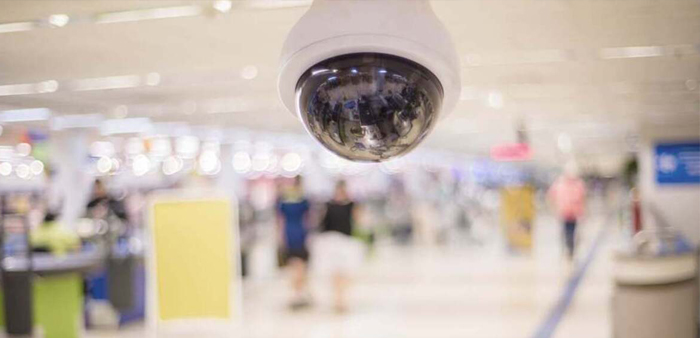
The Ultimate Guide to CCTV Camera Installation for Hotels and Commercial Buildings
 Posted on October 18, 2025
In today’s competitive world, ensuring safety and security is no longer an option—it’s a necessity. Whether you’re running a luxurious hotel or managing a bustling commercial building, security threats such as theft, vandalism, and unauthorized access can pose serious risks to your property, guests, and staff.
This is where CCTV camera installation comes into play. A well-planned CCTV system not only deters criminal activity but also provides peace of mind, operational efficiency, and valuable insights into daily activities.
In this comprehensive guide, we’ll walk you through everything you need to know about CCTV camera installation for hotels and commercial buildings from understanding the types of cameras to step-by-step installation, key benefits, and best practices.
Why CCTV Security Is Essential for Hotels and Commercial Buildings
Both hotels and commercial spaces are high-traffic environments with constant movement of people—guests, employees, vendors, and visitors. This makes them more vulnerable to security incidents.
Here are some reasons why installing CCTV cameras is essential:
Deter Criminal Activity
Visible CCTV cameras act as a powerful deterrent against theft, vandalism, and trespassing. Potential offenders think twice before committing a crime when they know they’re being watched.
Monitor Staff and Visitor Activity
In hotels, CCTV systems help ensure that employees maintain professional conduct and follow service protocols. In commercial buildings, surveillance helps monitor staff behavior, attendance, and adherence to safety measures.
Enhance Guest and Visitor Safety
CCTV coverage in lobbies, elevators, corridors, and parking areas ensures that guests and visitors feel safe and secure throughout their stay or visit.
Collect Evidence for Investigations
In case of disputes, thefts, or accidents, recorded CCTV footage provides solid evidence to resolve issues quickly and legally.
Improve Operational Efficiency
Modern CCTV systems can also be used for operational insights—like monitoring crowd flow, optimizing staff allocation, and managing facility maintenance effectively.
Key Areas to Cover in Hotels and Commercial Buildings
A common mistake during CCTV installation is failing to cover all critical areas. Here’s a checklist to ensure complete coverage:
For Hotels:
Entrance and Exit Gates: To monitor every individual entering or leaving the property.
Reception and Lobby Areas: To record guest interactions and visitor movement.
Corridors and Elevators: For monitoring guest safety and preventing unauthorized access.
Parking Areas: To ensure vehicle safety and prevent vandalism.
Storage Rooms and Back Offices: To safeguard assets and prevent employee theft.
Swimming Pools, Gyms, and Common Areas: For safety compliance and crowd monitoring.
For Commercial Buildings:
Main Entrances and Lobbies: For access control and visitor management.
Parking Lots and Loading Docks: To monitor deliveries and prevent accidents.
Corridors, Staircases, and Elevators: For emergency monitoring and safety.
Server Rooms and IT Infrastructure: To protect critical data and systems.
Work Floors and Meeting Rooms: For productivity insights and dispute resolution.
Types of CCTV Cameras Suitable for Hotels and Commercial Buildings
Selecting the right CCTV camera is crucial for achieving desired results. Here are the most common types used in modern facilities:
Dome Cameras
Ideal for indoor use, these cameras have a wide field of view and are discreet in appearance—perfect for hotel lobbies, corridors, and receptions.
Bullet Cameras
These are long and cylindrical, suitable for outdoor monitoring such as parking areas and building entrances. They are weatherproof and highly visible, which helps deter crime.
PTZ Cameras (Pan-Tilt-Zoom)
These advanced cameras allow remote directional control and zooming. They are great for monitoring large areas like hotel premises or commercial parking lots.
IP Cameras
Internet Protocol (IP) cameras transmit video over a network, providing high-resolution footage and remote access capabilities—ideal for modern smart surveillance setups.
Thermal and Infrared Cameras
These cameras are used in low-light or no-light environments, ensuring 24/7 visibility and security even at night.
Hidden Cameras
Useful for discreet monitoring, such as in administrative offices or cash handling areas.
Step-by-Step CCTV Camera Installation Process
Step 1: Site Survey and Requirement Analysis
A professional technician visits the property to identify risk areas, lighting conditions, and cable routing possibilities.
Step 2: Camera Selection and Placement Planning
Based on the survey, suitable camera types are selected for each area (indoor/outdoor, wide-angle, night vision, etc.). The best vantage points are mapped for maximum coverage.
Step 3: Wiring and Connectivity Setup
Cables (coaxial for analog or Ethernet for IP systems) are installed neatly through walls or conduits to maintain the property’s aesthetic appeal.
Step 4: Installing Cameras and Mounts
Cameras are mounted at the identified points—ideally 8-10 feet high to prevent tampering and provide optimal field of vision.
Step 5: DVR/NVR Configuration
The recording unit DVR (Digital Video Recorder) for analog systems or NVR (Network Video Recorder) for IP systems—is set up and connected to all cameras.
Step 6: Power Supply and Testing
Each camera’s power supply is verified. The installer tests camera feeds, angles, and resolution before finalizing.
Step 7: Remote Access and Monitoring Setup
Modern CCTV systems can be accessed via mobile apps or web dashboards, allowing you to monitor the premises anytime, anywhere.
Step 8: Training and Maintenance Schedule
Staff members are trained to operate the system, retrieve footage, and maintain the equipment.
Key Features to Look for in a CCTV System
Before finalizing a system, ensure it includes the following features:
HD/4K Video Resolution: For crystal-clear images and identification.
Night Vision or Infrared Mode: Essential for 24-hour surveillance.
Motion Detection and Alerts: To identify suspicious movements instantly.
Cloud Storage or Backup Options: For secure video storage and retrieval.
Remote Viewing via Smartphone App: For real-time monitoring.
Weatherproof and Vandal-Resistant Design: Especially for outdoor cameras.
Integration with Access Control Systems: To enhance overall security management.
Common Mistakes to Avoid During Installation
Many hotel and building owners make simple yet costly mistakes when setting up CCTV systems. Avoid the following:
- Installing too few cameras or leaving blind spots.
- Using low-quality cameras with poor resolution.
- Neglecting night vision or weatherproof features.
- Placing cameras too high or too low.
- Not maintaining or cleaning the cameras regularly.
- Ignoring data protection and privacy laws.
A professional CCTV installation company can help avoid these pitfalls and ensure full system compliance.
Benefits of Professional CCTV Installation
While DIY setups may seem cheaper, professional installation offers long-term reliability and efficiency. Key advantages include:
Expert System Design: Tailored to your specific building layout and risk zones.
Seamless Cable Management: Ensuring neat, hidden wiring that doesn’t spoil aesthetics.
Optimal Camera Angles and Coverage: Maximizing visibility without redundancies.
Ongoing Maintenance Support: Quick troubleshooting and system updates.
Compliance with Local Security Regulations: Especially important for hospitality and corporate environments.
Legal and Privacy Considerations
While CCTV enhances safety, it’s essential to comply with privacy regulations. Always:
- Inform staff and visitors that the premises are under surveillance.
- Avoid placing cameras in private areas (like hotel rooms or restrooms).
- Store recorded data securely and delete old footage as per policy.
- Follow local data protection laws (such as the Indian IT Act or GDPR guidelines for international brands).
The Future of CCTV Surveillance
With AI and IoT integration, CCTV technology is rapidly evolving. Some future-ready features include:
Facial Recognition: For identifying guests or unauthorized individuals.
Behavior Analysis: AI can detect suspicious movement or crowd formation.
Smart Alerts: Instant notifications on smartphones.
Cloud-Based Management: Centralized monitoring across multiple properties.
Integration with Smart Locks and Fire Systems: For enhanced safety automation.
Hotels and commercial buildings adopting these technologies are setting new standards for security and guest experience.
Conclusion
CCTV camera installation is more than a security measure—it’s a strategic investment in safety, trust, and operational excellence. For hotels, it ensures guest confidence and smooth operations. For commercial buildings, it strengthens employee safety, asset protection, and brand reputation.
By choosing the right CCTV system, covering critical areas, and opting for professional installation, you can create a secure environment that enhances both safety and efficiency.
If you’re planning to install or upgrade your CCTV system, partner with an experienced provider who understands the unique needs of your property and delivers customized, reliable surveillance solutions.
FAQs
How many CCTV cameras are required for a medium-sized hotel?
Typically, a 50–100 room hotel needs 30–60 cameras depending on the number of floors, entrances, and common areas.
What’s the average lifespan of a CCTV camera?
Good-quality CCTV cameras last between 5 to 8 years, with proper maintenance and timely firmware updates.
Can I monitor my hotel or office cameras remotely?
Yes. Most modern CCTV systems allow remote viewing via smartphone apps or web dashboards.
How often should CCTV cameras be serviced?
Ideally, every 6 months—to clean lenses, check connections, and ensure proper functioning.
Is it legal to record hotel guests on CCTV?
Yes, but with clear signage and consent, and cameras must not be placed in private areas like rooms or restrooms.

Home | Recent Posts
- How to Choose the Right CCTV Camera installation for Your Property?
- 10 Reasons Why CCTV Camera Installation is Essential for Your Business
- Cctv Camera Installation Service for Delivery Centers
- Benefits of CCTV camera installation in School
- Importance of CCTV Cameras in Real Estate
- How do You Protect Your Home or Property?
- 5 Best Security CCTV Camera Installation Tips
- Top 10 Best CCTV Camera Brands in India 2020
- Do You Realize why CCTV Camera is so Important?
- Saving Money On cctv Camera Installation With DIY
- Importance of CCTV Cameras in Schools
